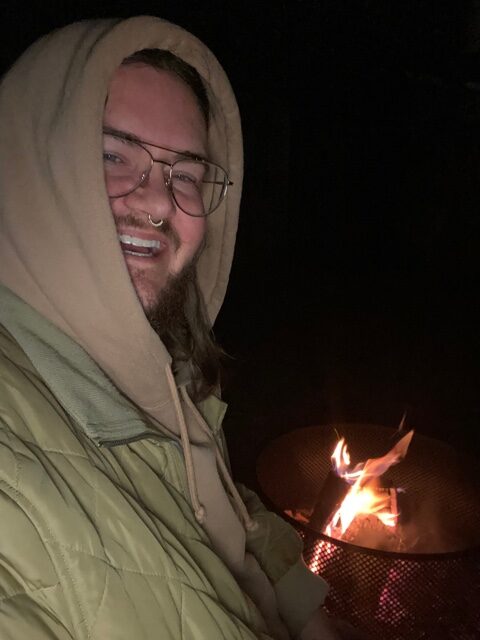
Clyde Mason
Come on in. I offer harm reduction, dissociation-informed, plural-competent, genocide-informed, and gender-affirming therapy for people with intergenerational trauma. Feeling like you are not really here, connected, or alive, wanting to die, being unable to go outside, having a hard time in relationships, dealing with addictions, disordered eating, self-harm, or shame are all symptoms of trauma. I treat trauma as survival energy in your body. Surviving trauma is made possible by parts. Trauma-related parts belong to states in your nervous system that are animal survival defense systems. These are called Fight, Flight, Freeze, Submit, and Cry-For-Help. Like other mammals, when human people feel threatened, we try to fight, we flee, we freeze and try to be invisible, we submit in humiliation, or we cry for help. Everything your trauma-related parts do is for protection. I will help you notice your body's sensations so you can restore and maintain balance in your nervous system. I will help you learn to listen and reply to what your parts are saying so you can become the caregiver or companion you always needed. You can feel safer in your body, more stability, less pain, more compassionate self-respect, more capable, and more alive. If you are curious about trauma-specific therapy that is land-based, body-first and parts work, please visit my website and email me to introduce yourself. We can have a free 30 minute phone call for you to see if you feel safe enough and comfortable enough with me.
Licensed
Canada
he/him
Lived Experience
Treatment Approach:
To help people recover from intergenerational trauma and developmental trauma, I practice three trauma-specific styles of therapy: Trauma-Informed Stabilization Treatment (TIST), Somatic Experiencing® (SE™), and Somatic Inner Relationship Focusing (S/IRF).Together, these styles of therapy are known as somatic parts work. Body-first psychotherapy is safer for people with intergenerational trauma and more dissociation-informed because it prioritizes regulating the nervous system. SE™ facilitates the completion of self-protective motor responses and the release of survival energy that is stuck in your body. TIST heals developmental trauma by treating structural dissociation. S/IRF helps you grow relationships with your parts by learning to communicate with your parts. Companioning your parts gently expands self-awareness, inner trust, and compassionate self-respect and supports the healing of inner conflict through a process of listening and acknowledgment.
Additional
I am a registered NIHB mental health provider. If you are Indigenous, First Nations, or Inuk and you have a status card, then you are eligible for 20-42 sessions of trauma therapy with me each year. I am covered by insurance providers as an RSW Psychotherapist. I am currently registered in Alberta and Ontario. If you are in another province or territory and you are interested in collaborating with me, please visit my website and email me! I am open to registering where you live.
Additional Focuses: Religious Trauma Syndrome (RTS)
Insurance: Blue Cross, BlueCross and BlueShield, Canada Life | Great-West Life, Desjardins, First Nations Health Authority, Green Shield Canada, Manulife, Medavie Blue Cross, Meridian, SunLife
Therapy Type:
Somatic Therapy, Individual psychotherapy
Details
160 Hourly
Only online
Ontario, Canada
Accepting new clients